


A different kind of knee replacement.
The Jiffy Knee™ is a complete total knee replacement — but the way we get there is different. Using specialized instruments, the surgeon spares the muscles and tendons around the knee rather than cutting through them.
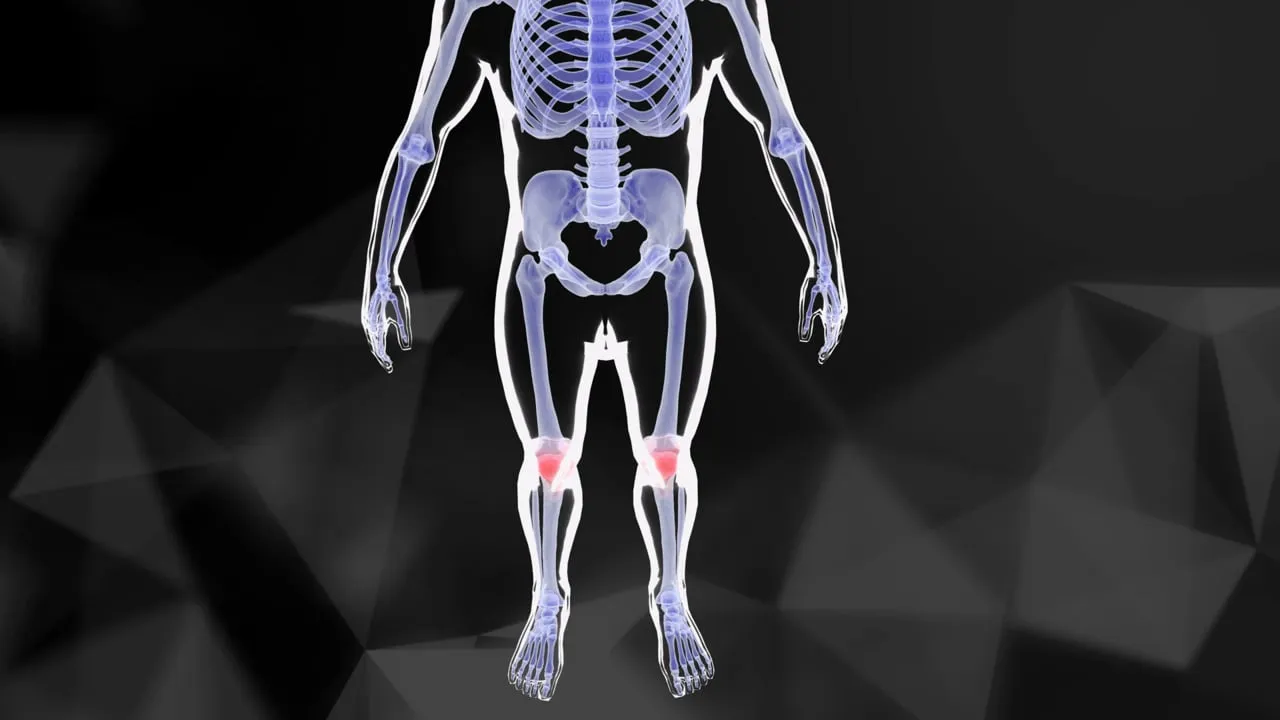
Watch: the muscle-sparing approach, explained.
A complete knee replacement, with less disruption
A traditional total knee replacement typically requires cutting through the muscles and tendons that surround the joint. The Jiffy Knee™ takes a muscle- and tendon-sparing approach: specialized techniques are used to gently lift and slide the muscle aside, so only the skin and joint capsule are opened.
The result is the same proven, durable knee implant — placed through a smaller 4–6 inch incision with less trauma to the surrounding soft tissue. Preserving that tissue is what helps many patients recover more comfortably and get moving sooner.
Two ways to reach the same joint
Both procedures replace the worn joint surfaces with the same kind of implant. What sets them apart is what happens to the muscle and tendon on the way in.
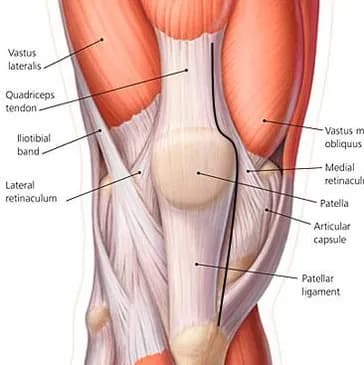
Traditional Knee Exposure
To reach the joint, most surgeons cut through the quadriceps tendon and stitch it back together at the end of the operation. The quadriceps is the muscle group you lean on most after a knee replacement — for standing, for walking, and especially for stairs. It has to heal at the same time you are being asked to start using it again.
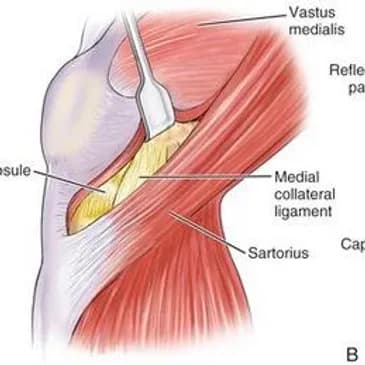
The Jiffy Knee™
Jiffy Knee™ surgeons do not cut the quadriceps tendon or the vastus medialis (VMO) muscle. Specialized instruments are used to lift the muscle and slide it aside instead, so only the skin and the joint capsule are opened. Leaving that tissue intact is what the approach is designed around — and it is why many patients are up and moving sooner.
Illustrations are provided for general patient education and depict the surgical approach only. Every knee is different; your surgeon will review what to expect in your case.
Your path, step by step
Consultation & Evaluation
Dr. Peterson reviews your history, imaging, and goals to determine whether the Jiffy Knee™ is right for you.
Muscle-Sparing Approach
During surgery, the muscles and tendons are moved aside rather than cut, and the worn joint surfaces are replaced.
Early Mobility
Because the supporting tissue is preserved, many patients stand and take their first steps the same day.
Guided Recovery
A personalized follow-up and therapy plan supports your return to the activities you love.
Benefits of the muscle-sparing approach
- Muscles and tendons are preserved, not cut
- Smaller 4–6 inch incision
- Less soft-tissue trauma
- Often a shorter, more comfortable recovery
- The same durable, proven knee implant
- Care led start-to-finish by Dr. Peterson
Traditional vs. the Jiffy Knee™
The Jiffy Knee™
- Spares muscle and tendon
- 4–6 inch incision
- Less soft-tissue disruption
- Designed for a faster recovery
Traditional Knee Replacement
- Cuts through muscle and tendon
- 10–12 inch incision
- More soft-tissue disruption
- Recovery may take longer
Built for a quicker comeback
~30min
Average implant time
4–6in
Incision length
~4hrs
To walking, on average
~10days
To driving, on average
Figures reflect average reported outcomes and are provided for general information only. Every patient is different — your results may vary. This is not a guarantee of any particular outcome or a substitute for medical advice.
Let's talk about your knee
Request an appointment and Dr. Peterson's team will reach out to help you find a time. Prefer to talk now? Call or text our concierge access line — we're happy to answer your questions.